
Do Compression Socks Help Neuropathy? Benefits and Risks
Compression may help swelling alongside neuropathy, but is not an established nerve treatment. Learn the risks and when ordinary socks make more sense.
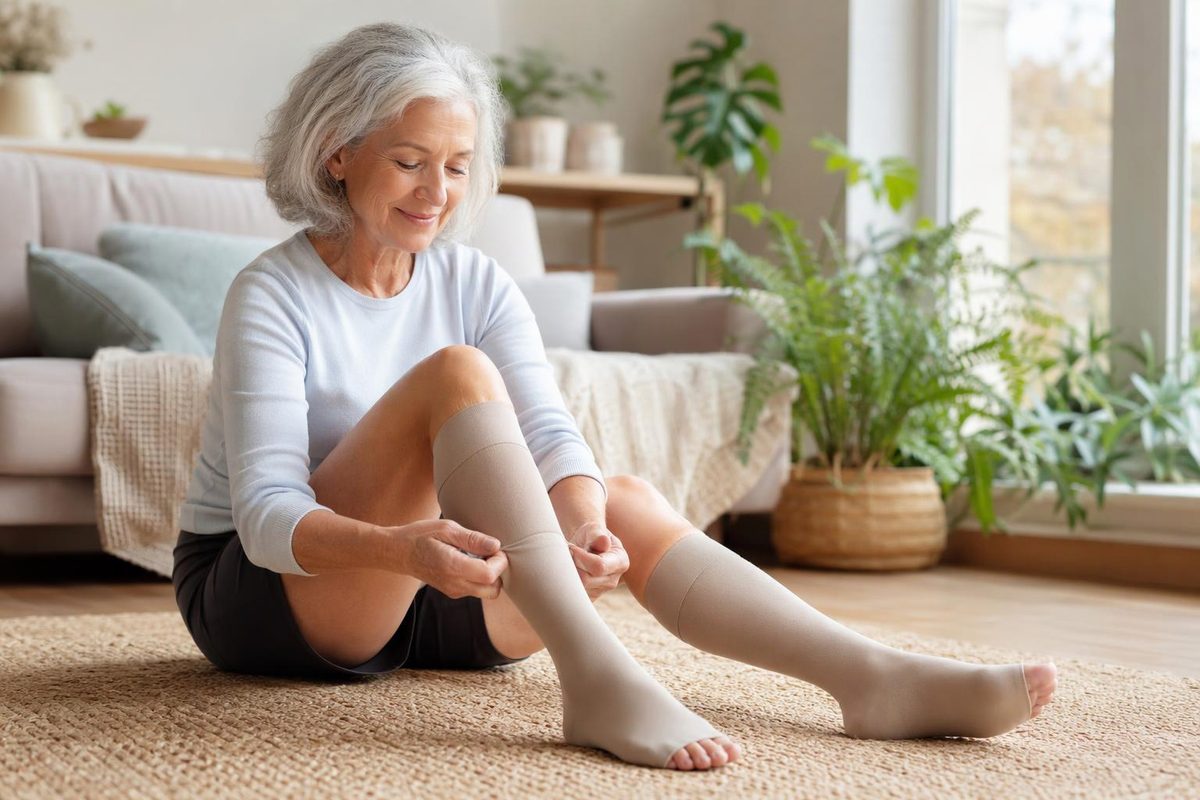
Compression socks may help swelling in someone who also has neuropathy, but they should not be relied on to treat the neuropathy itself. They are used mainly for vein-related and lymphatic swelling—not as an established treatment for damaged nerves. Reduced feeling also makes pressure injuries easier to miss, so ask a healthcare professional before trying compression if you have neuropathy. Compression uses and safety guidance.
The important distinction is relieving swelling versus treating nerve symptoms. Less swelling does not demonstrate that a sock is healing nerves or restoring sensation.
What benefit can you reasonably expect?
Peripheral neuropathy is nerve damage that can affect the feet and legs. It can cause burning, tingling, numbness, pain or weakness. Some people find even light touch painful; others cannot reliably feel harmful pressure. NIDDK’s explanation of peripheral neuropathy.
Compression may have a separate role when a clinician identifies swelling that is suitable for compression treatment. However, evidence about swelling should not be presented as evidence of neuropathy relief.
For example, a four-week randomized trial enrolled 80 people with diabetes and lower-leg swelling. Participants receiving specially designed 18–25 mmHg socks had reductions in ankle and calf circumference compared with their starting measurements, without measured deterioration in circulation. (MmHg, or millimetres of mercury, measures compression pressure.) Foot circumference did not decrease significantly, and the study did not find a significant overall difference between groups in its outcome measures.
The trial assessed swelling and circulation—not whether socks repaired nerves or relieved neuropathic burning. Participants were screened and monitored, and the sock manufacturer helped fund the study. Its pressure range is not a recommendation for everyone with neuropathy. Read the trial.
For established neuropathy, treatment instead depends on the cause and symptoms: managing diabetes, correcting a diagnosed vitamin B12 deficiency, reviewing a causative medicine, or using treatments specifically for nerve pain. Do not stop prescribed medicine yourself. NHS treatment guidance.
What about neuropathy during chemotherapy?
This is a different question. Compression garments worn around chemotherapy infusions are being studied to prevent chemotherapy-induced neuropathy, rather than treat longstanding neuropathy with everyday socks. A review of four trials found promising prevention results, but no significant pain benefit and limitations in the evidence. If you are receiving chemotherapy, discuss this with your oncology team rather than starting compression independently. Research review; patient guidance from Breastcancer.org.
Why numb feet need extra caution
A sock can feel acceptable while still creating excessive local pressure. With reduced sensation, “it doesn’t hurt” is not a dependable safety check.
An international compression-safety consensus identifies poor sizing, slipping and rolled fabric as potential causes of concentrated pressure and nerve injury. Serious injuries are very rare when compression is used correctly and contraindications are considered, but people with neuropathy need special caution. Severe diabetic neuropathy with sensory loss is a contraindication to standard sustained compression, although specialist-managed modified compression may sometimes be appropriate. Severe peripheral arterial disease—poor blood supply through the arteries—is another contraindication. Safety recommendations.
Before buying, ask your clinician:
- Is there swelling that compression is likely to help?
- Have blood supply, sensation and skin condition been checked?
- Which garment, pressure and wearing schedule are appropriate?
- How should I monitor my skin if I cannot feel pressure reliably?
Remove the garment and seek prompt advice if it causes new or worsening numbness, weakness, increasing pain or skin damage. If you have diabetes, a newly red, warm or swollen foot needs prompt assessment—even if it is not painful. Compression complications; NIDDK foot guidance.
When ordinary socks make more sense
If the goal is protecting sensitive feet rather than treating diagnosed swelling, start with fit—not stronger compression. NIDDK recommends clean, well-fitting, lightly padded socks, preferably without seams, for people with diabetes. Its general foot-care advice cautions against tight socks and elastic stockings. Clinician-prescribed compression for an assessed swelling problem is a separate decision. NIDDK sock and shoe advice.
Try shoes with the intended socks on. Check for toe-box width, depth above the toes and pressure across the instep; extra padding should not crowd the foot. Inspect the shoe lining and check your feet daily, using a mirror or someone’s help if needed. Comfort alone cannot confirm a safe fit when feeling is reduced. Daily foot checks and footwear guidance.
If compression is approved, follow the exact product’s measurement chart and prescribed pressure rather than choosing by a “neuropathy sock” label. Our guide to compression socks for swelling-related foot pain covers pressure, fitting and routine wear in more detail.