
Blisters on Toes: Care, Causes and Shoe-Fit Checks
Learn how to protect toe blisters, check shoe width and depth, distinguish rubbing from an itchy rash, and recognize when medical care is needed.
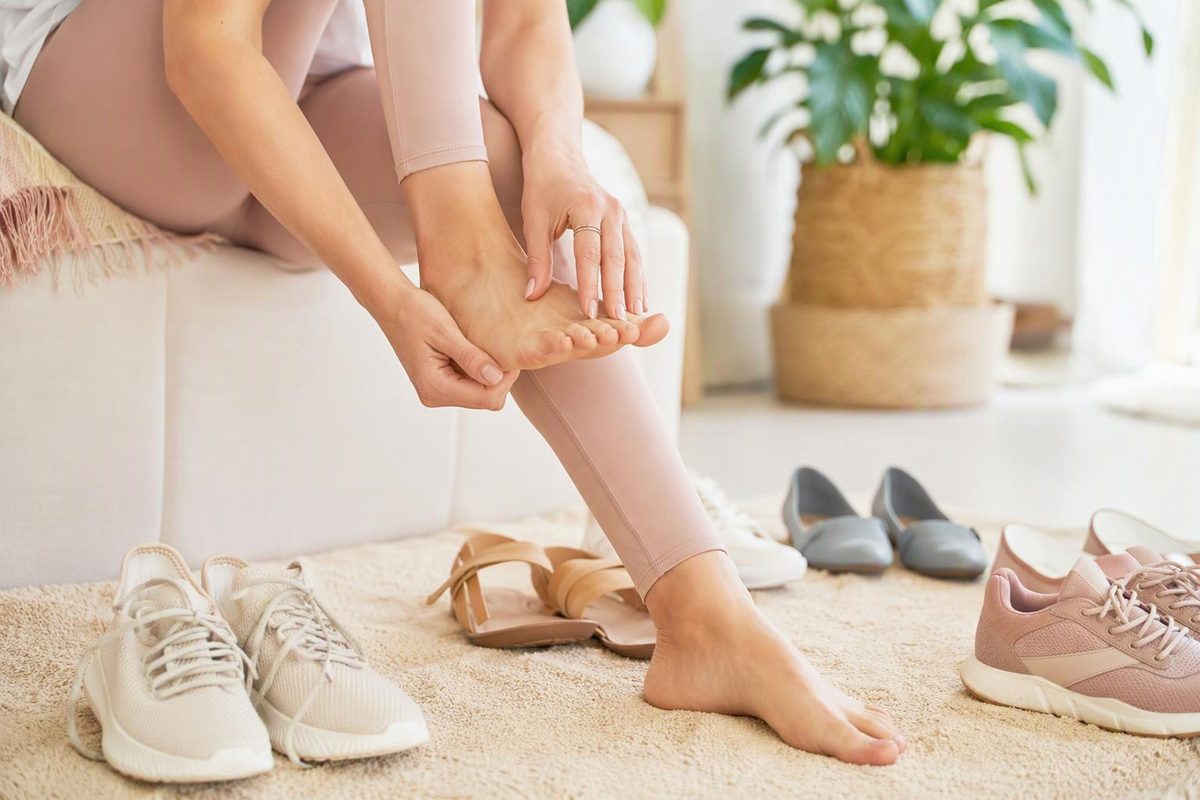
A fluid-filled blister that appears after a long walk or wearing new shoes often points to friction. Stop the rubbing, protect the skin and check the fit before wearing those shoes again. Shoes that are too tight or too loose can cause blisters. American Academy of Dermatology
But recurring itchy blisters or a rash between the toes may need a different approach—not simply a wider shoe.
When to get medical help
Seek urgent medical advice if the blister becomes hot, the surrounding redness spreads, or it contains yellow or green pus. Redness can be less obvious on brown or black skin. A very painful blister, repeated blisters or several appearing without an obvious cause also deserve prompt assessment. NHS blister guidance Increasing pain or swelling can also signal infection. American Academy of Dermatology
If you have diabetes, contact your foot-care team promptly about a new blister, particularly if the skin has broken. Diabetes-related nerve damage can make an injury painless, so lack of pain is not reassuring. New skin damage or a hot, swollen foot needs urgent contact with your clinician; seek urgent help if you also have fever or feel unwell. NIDDK foot-care guidance and NHS inform
How to care for a friction blister
For an otherwise uncomplicated blister:
- Leave it intact. Do not deliberately pop it. If it is large or very painful, a clinician can decide whether sterile drainage is appropriate.
- Clean gently and pat dry. Cover it with a soft plaster or padded dressing. A pharmacist can help choose one; a hydrocolloid blister dressing can protect the area and reduce pain.
- If it bursts, preserve the skin covering. Wash your hands, let the fluid drain, gently wash the area and cover it with a clean dressing. Do not peel off the blister’s “roof”—the skin over the raw surface.
- Avoid the shoes and activity that caused it until it heals. A dressing does not make continued rubbing harmless.
These steps follow NHS advice on blister care. Most friction blisters heal within about one to two weeks when protected from further irritation. American Academy of Dermatology
On a small toe or between toes, check that the dressing itself does not create crowding inside the shoe. More padding is not useful if it makes the fit tighter.
Does the pattern suggest something other than rubbing?
A clear link to walking, a shoe edge or a particular pair makes friction more plausible. However, appearance alone cannot confirm the cause.
- Itchy white, peeling or cracked skin between the toes: athlete’s foot is a possibility. This fungal infection can also cause fluid-filled blisters elsewhere on the foot. A pharmacist can advise on suitable antifungal treatment. NHS athlete’s foot guidance
- Itchy blisters that come and go, sometimes with burning or prickling: pompholyx, also called dyshidrotic eczema, is another possibility. Fungal infection can look similar, so recurring episodes are worth discussing with a clinician rather than guessing at a cream. NHS pompholyx guidance
Check the shoe where the blister appeared
Use the blister’s position as a starting point for inspection, not proof of the cause:
| Blister location | What to check |
|---|---|
| Toe tip | Are your toes touching the end when standing or walking? Is the foot sliding forward? |
| Outside of the little toe | Does the toe box taper inward or press against that toe? |
| Top of a toe | Is the upper too shallow, or is a seam pressing on a raised or bent toe? |
| Between toes | Are the toes squeezed together? Has a sock folded or bunched there? |
The toe box—the front compartment of the shoe—needs enough width to avoid squeezing and length to keep toes away from the end. The heel should fit securely, with an adjustable lace or strap fastening to help hold the foot in place. Simply sizing up can leave too much movement. Oxfordshire Podiatry footwear guidance
Depth matters too, especially with hammertoes or other changes in toe shape. Extra-wide or deep shoes may be needed for some foot shapes. NIDDK footwear advice If you use prescribed inserts, make sure the shoe accommodates them without crowding your toes. NHS Lanarkshire footwear advice
Try shoes with the socks you normally wear, and walk around indoors to check comfort. Do not rely on “breaking in” to make an uncomfortable shoe fit. NHS footwear fitting advice
For walking or exercise, choose well-fitting moisture-wicking socks and change them when sweaty. Inspect the shoe lining for rough seams or debris. NHS blister-prevention advice and NIDDK foot-care guidance Start new shoes with short periods of wear, but stop at the first sore or rubbing spot—do not walk through pain. Dermatologists’ blister-prevention advice