
Toe Nail Fell Off: What to Do Now and When to Get Help
If your toenail fell off, the immediate priorities are to stop active bleeding, protect the exposed nail bed, and prevent further tearing or pressure. A minor,…
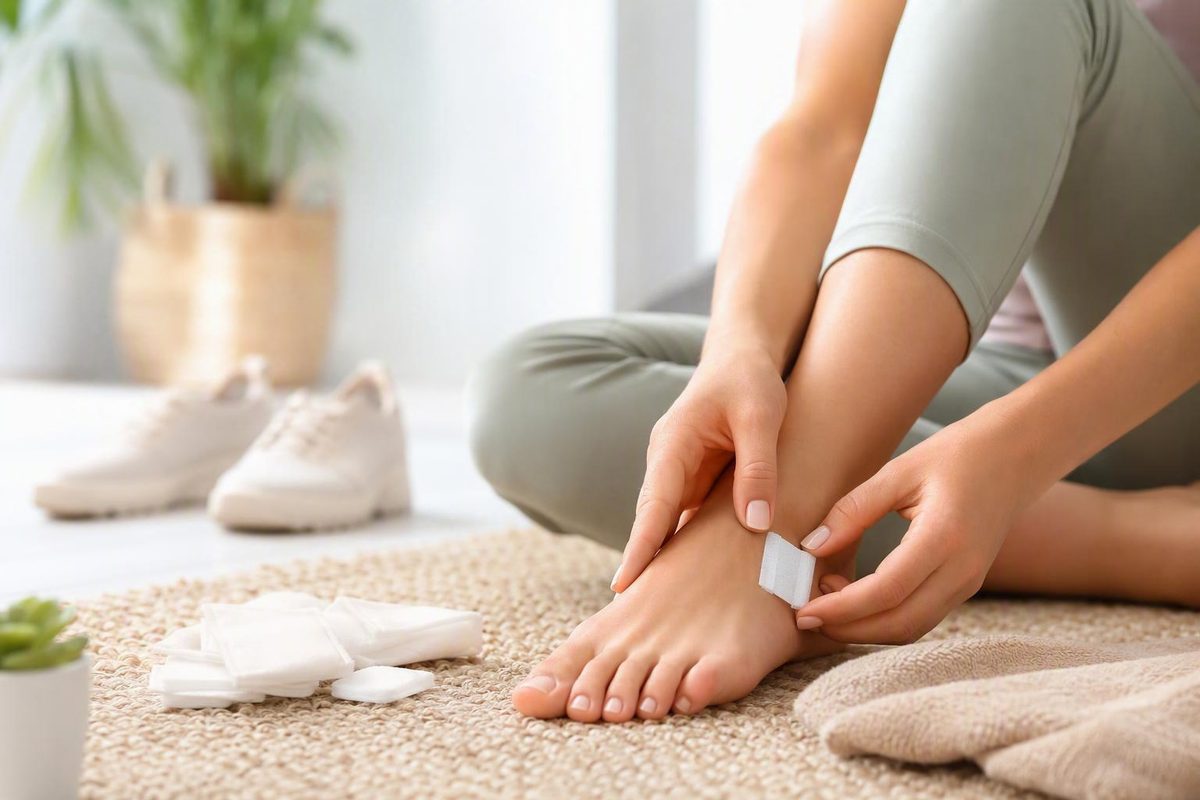
If your toenail fell off, the immediate priorities are to stop active bleeding, protect the exposed nail bed, and prevent further tearing or pressure. A minor, clean injury may be manageable at home, but uncontrolled bleeding, a deep wound, severe pain, deformity, infection signs, or certain health conditions lower the threshold for professional care.
What to do immediately after a toenail falls off
Start with this first-aid checklist:
- Apply gentle, steady pressure with a clean cloth or dressing if the toe is bleeding.
- Clean the toe gently with mild soap and running water. Do not scrub the exposed nail bed.
- Pat the area fully dry.
- Cover the exposed nail bed with a nonstick dressing.
- Reduce pressure and friction by switching to roomy footwear or a safe open style.
- Leave any attached nail in place. Do not pull it off or tape a detached nail back down.
- Change the dressing whenever it becomes wet or dirty.
A nonstick covering is preferable to ordinary gauze because gauze can adhere to a tender nail bed and hurt when removed. If a dressing sticks, do not rip it away; loosen it gently with running water. Medically reviewed first-aid guidance also recommends trimming only a clearly loose portion and obtaining care when a tear extends toward the nail’s base or sides (WebMD’s guidance for a torn or detached toenail).
If a small piece of nail is completely loose, you may trim it with clean clippers only when it can be cut without pulling, resistance, pain, or bleeding. Smooth a sharp edge that could catch on a sock. Stop if the nail moves at the base, tugs on the skin, hurts, or remains attached along either side. A clinician should handle those situations.
Do not pull on a partly attached nail, even if it looks nearly ready to come off. Pulling can enlarge the wound, restart bleeding, or damage tissue beneath the nail. Do not tape the old nail back into its former position. Once a nail plate has separated from the nail bed, it cannot biologically reattach; the area needs protection while it heals and a replacement nail grows (Kaiser Permanente’s torn or detached nail guidance).
Do not assume that antibiotic ointment, petroleum jelly, cold-water soaking, or salt-water soaking is required for every detached toenail. Published care instructions vary: some describe topical products or soaking, while other guidance advises avoiding soaking unless a clinician recommends it (guidance on detached-toenail care and avoiding routine soaking). Product allergies, skin sensitivity, contamination, and wound depth may change what is appropriate. Ask a clinician or pharmacist for individualized advice if the wound is open or you are unsure whether a product is suitable.
Important: This article provides general information, not a diagnosis or medical care. It cannot determine the wound’s depth, whether the toe is fractured, whether circulation is impaired, whether infection is present, or whether the nail-forming tissue has been damaged. See the site’s general medical-information notice, and seek in-person care when the injury or your health risks make these possibilities concerning.
When a fallen toenail needs urgent medical care
Complete detachment is not automatically an emergency in every case. The appropriate level of care depends on how the injury happened, whether bleeding stops, the amount of pain and swelling, wound depth and contamination, the toe’s shape, where the nail remains attached, and your medical risks.
Use this three-level framework:
| Level | Typical situation | Appropriate response |
|---|---|---|
| Limited home care | A minor, clean injury; bleeding stopped quickly; little pain or swelling; no deep cut; the toe looks normal; no high-risk health condition | Clean, dry, cover with a nonstick dressing, remove pressure, and monitor closely |
| Prompt or same-day assessment | Significant or persistent pain, a crush injury, major swelling, a deep or dirty wound, separation at the base or sides, suspected fracture, or infection signs | Contact urgent care, a clinician, or a podiatrist promptly |
| Emergency evaluation | Bleeding remains uncontrolled despite steady pressure, the toe is markedly deformed after a serious injury, or a severe crush injury has caused substantial damage | Go to an emergency department or use local emergency services as appropriate |
These distinctions reflect medically reviewed guidance that limits home care to relatively minor injuries and recommends urgent evaluation for complete traumatic detachment, deep cuts, major pain or swelling, base or side separation, and deformity (WebMD’s criteria for medical care after toenail injury).
Arrange prompt assessment for any of the following:
- Bleeding that does not stop with gentle, continuous pressure
- A deep, gaping, puncture, or heavily contaminated wound
- Severe, throbbing, persistent, or worsening pain
- Major or rapidly increasing swelling
- A visibly bent, displaced, or otherwise deformed toe
- A heavy crush injury, such as dropping a substantial object on the toe
- Nail separation extending to the base or along the sides
- Concern that the toe may be broken
- A completely torn-off nail after a painful, bloody, crushing, or deep injury
A clinician may need to examine the nail bed, clean or trim damaged tissue, assess circulation, control bleeding, or order an X-ray when a fracture is possible. For a deep or contaminated injury, the clinician can also decide whether any additional wound management is appropriate.
Watch closely for infection. Seek prompt medical care if you develop:
- Redness that is increasing or spreading
- Increasing warmth or swelling
- Worsening tenderness or pain
- Pus or cloudy drainage
- Fever
- Red streaks extending away from the toe
Increasing redness, warmth, swelling, pus, and persistent or worsening pain are recognized warning signs after toenail loss (clinical guidance on infection signs after a toenail falls off).
Do not make the care decision solely by estimating what percentage of the nail looks dark. A dark red, purple, blue-black, or black area may represent blood beneath the nail, but discoloration is only one factor. Throbbing pain, the injury mechanism, deformity, timing, wound depth, and fracture risk also matter.
People with diabetes, poor circulation, neuropathy or reduced sensation, immune-system problems, or another condition that slows healing should seek clinician-led care earlier. Reduced sensation can make a significant injury seem painless, while impaired circulation or healing can increase the consequences of an unnoticed wound or infection.
What to do when the nail is fully off, partly attached, or shedding painlessly
Advice for a fully exposed nail bed is not identical to advice for a small loose tip. Identify which of these three situations best describes the toe.
If the nail is fully detached
Gently wash away visible dirt, pat the toe dry, and cover the exposed nail bed with a nonstick dressing. Protect it from shoe contact, impacts, dirt, and snagging. Replace the covering whenever it becomes wet or dirty.
Then consider why the nail came off. A nail that detached gradually while an intact replacement was already growing may need only protection and monitoring. A nail torn away during a crush injury may involve a deeper nail-bed injury or fracture. Seek prompt care for continued bleeding, significant contamination, a deep cut, severe pain, major swelling, deformity, possible fracture, or a high-risk medical condition.
Do not try to place the detached nail back onto the nail bed or tape it into position.
If the nail is partly attached
Do not pull it off. Protect it so it cannot catch on socks, sheets, carpet, or the inside of a shoe.
A tiny tip that swings freely may be trimmed with clean clippers only if cutting it causes no pulling, resistance, pain, or bleeding. Do not cut through attached tissue or follow a crack toward the base. If the nail remains attached near the cuticle, along either side, or beneath a nail fold, leave it in place and arrange clinical assessment.
If the nail is shedding painlessly and a new nail is visible
A painless old nail may loosen because a replacement is already growing beneath it. If the underlying skin is closed, there is no bleeding or raw wound, no infection signs are present, and you do not have a high-risk health condition, protection from snagging and periodic monitoring may be sufficient. Medically reviewed guidance similarly distinguishes painless shedding over a new nail from painful or bleeding traumatic loss (Healthgrades’ overview of fallen toenails).
Painless does not necessarily mean harmless. Gradual fungal infection, repeated shoe pressure, an earlier injury, reduced sensation, poor circulation, and inflammatory nail disease can all cause little pain. Seek assessment when nail loss is unexplained, keeps recurring, affects several nails, or accompanies numbness, drainage, progressive nail changes, or slow healing. This is especially important if you have diabetes or circulation problems.
In every path, prevent a loose nail from snagging. A soft sock, nonstick covering, and roomy shoe can help without forcing the nail back into place.
Why toenails fall off
The likely cause often becomes clearer from what happened before the nail loosened.
Direct injury is a common explanation. Stubbing the toe, dropping an object on it, striking it against furniture, or crushing it can damage the nail plate, nail bed, or nail-forming area. Blood may collect beneath the nail after an impact, causing dark red, purple, or black discoloration. The nail may lift or fall off immediately or later as the damaged portion grows forward.
Repetitive pressure can produce similar damage without one memorable accident. Runners, hikers, and people who spend long periods on their feet may repeatedly drive a toe into the front or upper of a shoe.
Fungal nail infection can gradually alter the nail and its attachment. Possible clues include white, yellow, or yellow-brown discoloration; thickening; brittleness; crumbling edges; debris; altered shape; odor; and progressive lifting. Several nails may become involved, although fungus can begin in one. These changes need diagnosis rather than automatic antifungal treatment because injury and skin disease can look similar.
Nail psoriasis can cause pitting, thickening, yellow-brown discoloration, altered shape, chalky material beneath the nail, and separation from the nail bed. It may occur in people with known skin psoriasis, but nail changes can still require assessment because psoriasis and fungus can resemble each other.
Direct or repetitive trauma, fungal infection, and nail psoriasis are among the principal causes described in medically reviewed guidance on nail loss. Less common associations include prolonged moisture, irritating chemicals or nail products, some medicines, severe illness, poor circulation, and diabetes-related complications; nail loss alone does not diagnose any of them (Healthgrades’ review of toenail-loss causes).
Wound care protects the exposed toe but does not treat an underlying cause. Confirmed fungal infection may require antifungal treatment, psoriasis needs an appropriate inflammatory-disease plan, repeated trauma calls for changes to activity or footwear, and circulation or healing problems require medical management.
Trauma, shoe pressure, or fungus: clues in the timeline
The pattern may help you decide what to discuss with a clinician, but it cannot establish a diagnosis.
| Clue | Acute trauma | Repetitive shoe pressure | Possible fungal infection |
|---|---|---|---|
| Onset | Sudden or noticed soon after impact | Gradual, often after repeated activity | Usually develops over weeks or months |
| Typical trigger | Stubbed toe, dropped object, crush, kick, or collision | Running, hiking, downhill movement, long shifts, or recurring shoe contact | Often no single injury; moisture exposure or prior athlete’s foot may be relevant |
| Pain | May be sharp, tender, throbbing, or severe | Variable; tender after activity or nearly painless | Often painless early, although a thick or distorted nail can become uncomfortable |
| Color | Dark red, purple, blue-black, or black bruising | Bruising, cloudiness, yellowing, or mixed discoloration | White, yellow, yellow-brown, or cloudy changes |
| Texture | May remain smooth initially; a serious injury can split or lift it | May become thickened, ridged, lifted, or misshapen | Often thick, brittle, chalky, crumbly, or debris-filled |
| Number of nails | Usually one injured nail | One or more toes exposed to the same pressure | May begin in one nail and spread to others |
| Progression | A bruise may move toward the tip as the nail grows | Changes recur with the same activity or footwear | Discoloration and thickening tend to persist or spread |
Acute trauma commonly follows a known impact or sudden activity increase. Tenderness, throbbing, bruising, and dark discoloration may appear quickly. Repetitive shoe trauma is more likely to emerge after recurring toe contact, perhaps after longer mileage, hill work, hiking descents, or a change in footwear. It can cause bruising, lifting, thickening, or distorted growth without one dramatic event.
Possible fungus usually develops more slowly, often starting at a tip or side and progressing inward. Yellow or white discoloration, thickening, crumbling, debris, odor, and changes in additional nails make fungus more plausible. Trauma and fungus nevertheless overlap in appearance and may coexist because a damaged or separated nail can become vulnerable to fungal involvement (specialist comparison of toenail trauma and fungus).
A trauma-related dark mark may move toward the free edge as new nail grows from the base. Taking a photograph every few weeks under similar lighting can help show whether the mark is moving outward, staying fixed, or spreading within the nail. Photographs document change; they cannot diagnose its cause.
These patterns are clues, not rules. Trauma, fungus, psoriasis, and bacterial problems can all cause discoloration, thickening, distortion, and separation. A clinician may use the history, physical examination, and a nail clipping for microscopy or culture when the diagnosis is uncertain. Do not begin prescription or oral antifungal treatment based only on nail color or a photograph; diagnostic nail sampling may be used to identify the cause (overview of nail examination, microscopy, and culture).
How to care for the toe while the nail bed heals
Use a simple dressing routine:
- Wash your hands.
- Remove the old dressing gently.
- Let clean shower water run over the toe or wash it carefully with mild soap and water.
- Pat the area fully dry rather than rubbing it.
- Inspect it for increasing redness, warmth, swelling, pain, or drainage.
- Apply a fresh nonstick dressing if the nail bed remains raw, tender, draining, or exposed to rubbing.
- Replace the dressing whenever it becomes wet or dirty.
Gentle showering is compatible with this routine when the toe is dried and redressed afterward. Prolonged immersion and routine soaking are not necessary for every injury. If the wound is deep, contaminated, sutured, or being treated by a clinician, follow the instructions you receive rather than a generic online routine.
The dressing shields the sensitive nail bed from dirt, pressure, and snagging. One medically reviewed source describes nonstick protection for approximately 7 to 10 days in a low-risk torn-nail situation, but that is not a universal deadline (clinically reviewed guidance on nail-bed protection). A superficial injury may become comfortable sooner, while a deeper wound may require longer care. Decisions about continuing the dressing should reflect wound closure, tenderness, drainage, friction risk, and clinician advice.
Choose footwear that does not touch, squeeze, or repeatedly rub the toe. A roomy toe box should let the toes rest without striking the front or pressing against the upper. A sandal or another open style may feel more comfortable when it can be worn safely, but open footwear provides less protection from dirt, impact, and workplace hazards.
Do not use a fixed online timetable for returning to running, hiking, swimming, sports, or restrictive work footwear. Return depends on:
- Whether the wound has closed
- Whether bleeding or drainage has stopped
- Pain during walking and shoe wear
- Swelling
- The injury’s depth and cause
- Whether a fracture or infection is present
- Whether the activity exposes the toe to contaminated water or repeated impact
- Advice from the clinician treating the injury
If running, hiking, or downhill movement caused the problem, returning to the same footwear and workload without correcting the pressure may restart the injury.
Arrange medical review if pain or swelling worsens rather than improves, drainage develops, redness spreads, or ordinary footwear remains intolerable. This article does not recommend a particular pain medicine because suitability depends on factors such as allergies, pregnancy, kidney disease, stomach ulcers, anticoagulant use, and interactions with other medicines.
Will the toenail grow back?
The old nail will not reattach after separating from the nail bed. A replacement must grow forward from the nail-forming tissue at the base.
A practical expectation for full toenail replacement is approximately 12 to 18 months, although estimates vary with the affected toe and circumstances. Some published guidance gives a broader range of about six months to two years (Healthline’s recovery-time overview). Other patient guidance states that a toenail may take up to 18 months to grow back (Kaiser Permanente on toenail regrowth).
Timing can vary with age, overall health, circulation, the cause of detachment, the affected toe, and damage to the nail bed or nail matrix. Do not expect visible progress from day to day. Toenail growth is slow, and the earliest replacement may be partly hidden beneath the skin fold at the base. Monthly photographs from the same angle can make gradual movement easier to see.
Normal-looking regrowth is not guaranteed. A replacement nail may be:
- Ridged or grooved
- Thicker or thinner
- Split
- Discolored
- Curved or misshapen
- More loosely attached
- Permanently different from the previous nail
Severe damage to the nail matrix—the tissue responsible for producing the nail—can cause persistent abnormal growth or prevent complete regrowth.
Seek assessment if no healthy progression becomes apparent, growth is painful or markedly distorted, the nail repeatedly detaches, or the cause remains unexplained. A dark mark that does not move outward as the nail grows or changes affecting additional nails also deserve examination. Photographs can help a clinician review progression, but they cannot replace an examination or diagnostic testing.
How to reduce the chance of another toenail injury
Prevention should address the likely cause. Wider shoes will not treat fungus or psoriasis, just as antifungal products will not prevent a toenail from repeatedly striking the front of a shoe.
For pressure-related injury, choose shoes with enough length, depth, and width that the affected toe does not touch the front or upper during movement. For running and hiking, consider how the foot behaves downhill: forward sliding can cause nail contact even when a shoe feels comfortable on level ground.
Replace, relace, or adjust footwear that repeatedly presses on the same nail. Use activity-appropriate protective footwear where dropped objects or crushing injuries are possible.
Trim toenails straight across and avoid cutting deeply into the corners. Keep them short enough that they do not strike the shoe, but do not cut into tender skin. Smooth sharp edges with a clean file so they cannot catch on socks.
- Change damp socks.
- Let wet footwear dry before wearing it again.
- Choose breathable footwear where practical.
- Clean personal clippers and files.
- Do not share nail tools.
- Wear protective sandals in warm communal wet areas.
Straight-across trimming, dry footwear, clean nail tools, protective footwear, and sandals in communal wet areas are included in preventive guidance for nail loss and fungal nail problems (podiatrist-authored prevention guidance).
Do not automatically blame shoe fit when nail loss keeps returning despite adequate room, affects several nails, or is accompanied by progressive thickening, crumbling, pitting, or discoloration. Those patterns warrant medical assessment. Suspected fungus or psoriasis requires diagnosis and treatment of the underlying condition; changing shoes alone will not clear it.
Should I go to urgent care if my whole toenail fell off?
Not always. If the nail shed painlessly over an intact replacement, there is no bleeding or raw wound, and you have no high-risk medical condition, protection and monitoring may be reasonable.
Seek prompt or same-day care if it was torn off during a painful, bleeding, crushing, or deep injury; the wound is dirty; the toe is substantially swollen or deformed; the nail separated at its base or sides; or a fracture may be present. Uncontrolled bleeding or a clearly severe injury warrants emergency evaluation.
Can a detached toenail reattach, and how long will a new one take to grow?
No. Once the nail plate separates from the nail bed, it cannot reattach. A new nail must grow from the base.
Full replacement commonly takes around 12 to 18 months, although the broader published range is approximately six months to two years. The replacement may look different, and severe nail-matrix damage can prevent complete regrowth.
What should I do if part of the toenail is still attached?
Do not pull it off or tape it back into place. Protect it from catching on socks, bedding, carpet, and footwear.
Trim only a completely loose tip that can be cut with clean clippers without tugging, pain, resistance, or bleeding. Seek clinical help if the nail remains attached at the base or sides or if the tear extends deeply.
Could a toenail fall off from fungus even if it does not hurt?
Yes. Fungal changes can develop gradually and may be painless, causing discoloration, thickening, brittleness, crumbling, odor, debris, lifting, and eventual separation.
Painless loss can also follow repetitive pressure, an old injury, psoriasis, poor circulation, or reduced sensation. Because these causes can look similar or coexist, appearance alone does not confirm fungus.
What changes if I have diabetes, poor circulation, or numb feet?
Seek clinician-led care earlier, even if the toe is painless or the wound looks small. Reduced sensation can hide an injury, while impaired circulation or healing can increase the consequences of infection. Do not trim the damaged nail yourself.
Until you receive advice, avoid pulling the nail, apply gentle pressure to active bleeding, clean and dry the toe, protect it with a nonstick covering, and remove shoe pressure. Seek prompt care for increasing redness, warmth, swelling, drainage, worsening pain, fever, or a wound that is not healing.
Whatever caused the loss, return to the immediate priorities: do not pull an attached section, stop active bleeding, clean and dry the toe, use a nonstick covering, and prevent further shoe pressure. Severe injury, infection signs, unexplained nail loss, diabetes, poor circulation, numbness, or impaired healing all lower the threshold for clinical care. Replacement is slow and may not look identical to the original nail, so base prevention on the actual cause rather than assuming every lost toenail came from footwear.