
Bruise on Bottom of Foot: Causes, Care and Recovery
Learn what sole bruising may mean, when arch bruising needs urgent assessment, and how to protect a minor bruise while it heals.
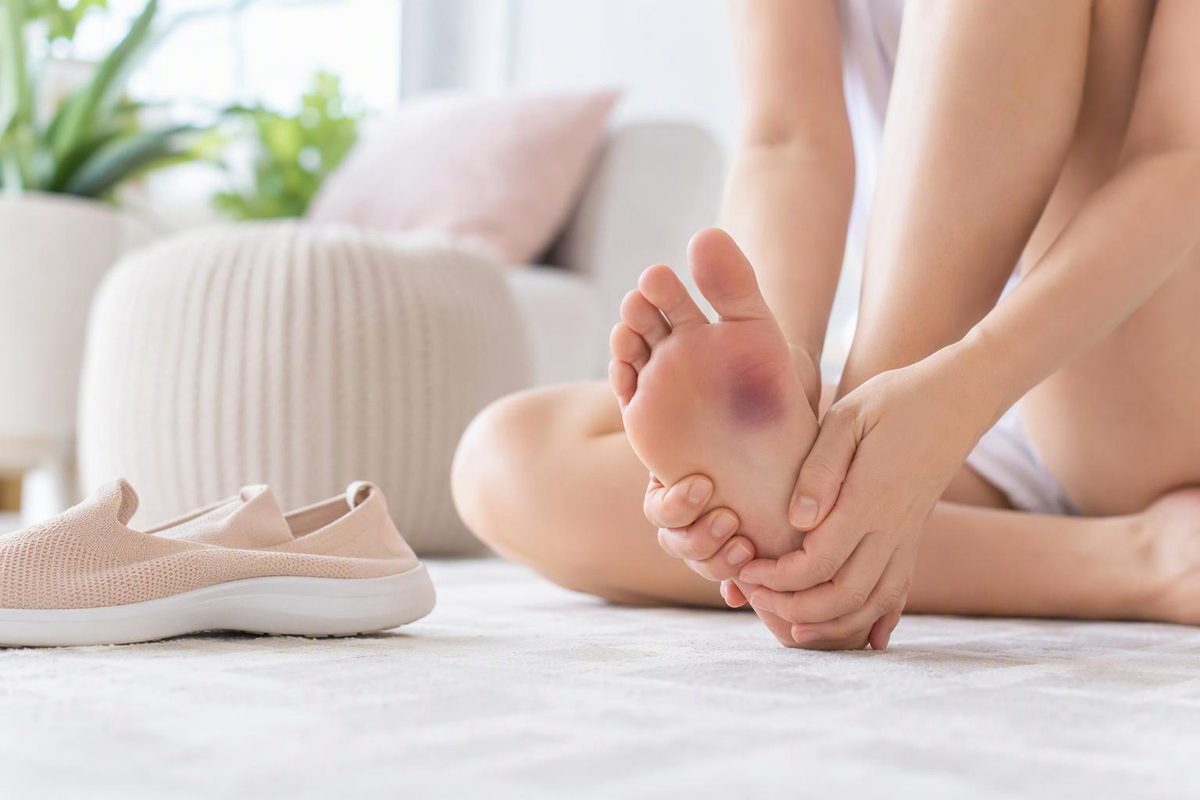
A bruise on the bottom of your foot can follow a knock, fall or sports injury. It forms when damaged small blood vessels leak blood beneath the skin. MedlinePlus
But bruising under the arch after an injury needs particular attention: it can signal damage to the joints and ligaments in the middle of the foot, rather than a simple surface bruise. American Academy of Orthopaedic Surgeons (AAOS)
When to get it checked
Seek urgent assessment today if you have bruising beneath the arch after twisting, falling or having your foot crushed—especially with midfoot swelling or pain when standing or pushing off. This pattern can indicate a Lisfranc injury, which involves the midfoot bones or supporting ligaments. Stay off the injured foot while arranging care; do not try to walk it off. Being able to take some steps does not make this pattern safe to ignore. AAOS; American College of Foot and Ankle Surgeons
Other reasons to seek care include:
- Emergency care: a deformed foot, new numbness, a cold foot, or extreme pain with a feeling of tight pressure in the injured area.
- Urgent assessment: inability to walk more than a few steps, worsening pain or swelling, or signs of infection such as spreading redness, pus or fever.
- A medical appointment: bruising without a known injury, repeated unexplained bruises, or symptoms that are not improving with self-care.
These warning signs are covered by NHS injury guidance and MedlinePlus bruise guidance.
If you have diabetes, contact your foot-care team or clinician straight away about a new foot colour change, wound or unexplained pain, seeking review within 24 hours. Nerve damage can make an injury less painful than expected. Diabetes UK
What might be causing it?
A direct impact. A blow or hard landing can damage small vessels and leave a tender, swollen bruise. Skin discoloration does not reveal how deeply the tissue is injured: bruises can affect skin, muscle or bone. MedlinePlus
A twisting or crushing injury. Bruising with midfoot pain may come from ligament damage, a fracture or a dislocation. The location beneath the arch is an important clue, but an examination—and sometimes imaging—is needed to establish the injury. AAOS
Easier bleeding beneath the skin. Blood-thinning medicines can make bruising more likely. If the mark appeared without a clear injury, ask your clinician to review it and your medicines rather than assuming shoes caused it. MedlinePlus
Bruise-like heel pain without a visible bruise. This is a different symptom. Heel fat pad syndrome—loss of cushioning beneath the heel—can cause deep, bruise-like pain in the heel’s centre, particularly when walking barefoot on hard floors or during prolonged standing. That feeling alone does not identify the cause; other heel problems can feel similar. Cleveland Clinic
If you have an unexplained dark skin spot rather than a clear injury-related bruise, see our guide to black spots on the bottom of the foot.
Caring for a minor bruise
Home care is reasonable for a small bruise after a clear minor knock when pain is mild, walking is comfortable and none of the warning signs above apply.
- Reduce loading. Pause running, jumping and activities that hurt. Do not use pain relief to push through them.
- Use wrapped ice. For an uncomplicated bruise with normal skin sensation, apply an ice pack wrapped in a towel for up to 15 minutes at a time. Never place ice directly on skin.
- Elevate the foot above heart level when practical to help reduce swelling.
- Consider paracetamol/acetaminophen if suitable for you, following the label or a pharmacist’s advice.
- Do not puncture or drain the bruise.
These measures follow MedlinePlus first-aid guidance. Avoid massage and heat during the first couple of days after an acute soft-tissue injury. NHS
Footwear checks while it settles
For comfortable walking after a minor injury, choose cushioning and a secure fit rather than simply buying a softer shoe. Check that:
- The sole is not unevenly worn and the internal cushioning has not flattened.
- The shoe has enough width and depth to avoid squeezing a swollen foot.
- The fastening holds the foot securely without pressure over the sore area.
For a diagnosed heel fat pad problem, cushioned footwear or a heel cup may help reduce discomfort. An insert should still leave enough shoe space and keep your heel secure. These are comfort measures, not treatment for an unassessed fracture or ligament injury. Cleveland Clinic
How long should it take to heal?
Most uncomplicated bruises fade in about two weeks, although deeper or more severe bruises can last considerably longer. Colour may change as the blood is absorbed. MedlinePlus
Judge recovery by less tenderness, less swelling and more comfortable walking, not colour alone. Resume activity gradually rather than returning straight to running or jumping. If the mark fades but weight-bearing pain remains, arrange an examination instead of treating the fading bruise as proof that the foot has healed.